Is Your These Six Tell-Tale Symptoms of a Failing Water Heater?
Call TodayJust about every person seems to have their unique idea when it comes to Is Your Water Heater About to Die?.

In some cases, the lag in your heating unit is just an outcome of bathing too much or doing loads of washing. There are instances when your tools needs fixing so you can continue delighting in warm water. Don't wait on broken water heaters to offer you a big frustration at the peak of winter months.
Rather, find out the indication that indicate your hot water heater gets on its last leg prior to it totally conks out. When you see these 6 warnings, call your plumber to do repair services prior to your machine completely stops working as well as leakages almost everywhere.
Listening To Unusual Appears
When uncommon seem like tapping as well as knocking on your device, this suggests sediment build-up. It belongs to stratified rocks, which are difficult and make a great deal of sound when banging against metal. If left neglected, these items can create tears on the steel, triggering leakages.
The good news is, you can still save your hot water heater by draining it and cleansing it. Simply be careful due to the fact that handling this is dangerous, whether it is a gas or electrical unit. Put on goggles, handwear covers, and protective apparel. Most importantly, make sure you understand what you're doing. Or else, it is better to call an expert.
Making Insufficient Warm Water
If there is not enough warm water for you and also your family, yet you haven't changed your consumption practices, then that's the indication that your hot water heater is stopping working. Usually, growing families and an additional bathroom indicate that you have to scale up to a larger device to meet your demands.
However, when every little thing coincides, however your water heater suddenly does not satisfy your warm water requirements, consider a professional examination since your machine is not executing to requirement.
Experiencing Changes in Temperature
Your water heater has a thermostat, and also the water created must remain around that same temperature level you establish for the device. However, if your water ends up being too hot or as well cold all of a sudden, it can suggest that your hot water heater thermostat is no longer doing its job. So initially, examination things out by using a marker and tape. Examine to see later on if the marking moves on its own. It implies your heating system is unsteady if it does.
Seeing Puddles as well as leakages
Check to pipelines, connectors, and also screws when you see a water leakage. You might just require to tighten some of them. Nonetheless, if you see pools gathered at the bottom of the heating system, you need to require an immediate evaluation since it shows you've obtained an active leakage that could be a concern with your container itself or the pipes.
Seeing Gloomy or Stinky Water
Does your water suddenly have an odor like rotten eggs and look unclean? Your water heating unit could be acting up if you smell something unusual. Your water should be clean and also fresh smelling as in the past. Otherwise, you could have rust build-up and germs contamination. It means the integrated anode pole in your equipment is no more doing its task, so you require it replaced stat.
Aging Past Criterion Life Expectancy
If your water heating unit is more than ten years old, you should think about replacing it. You may take into consideration water heating unit replacement if you recognize your water heater is old, combined with the various other problems mentioned above.
Don't wait for busted water heating systems to offer you a large frustration at the peak of winter season.
Your water heater has a thermostat, as well as the water produced must remain around that exact same temperature level you establish for the unit. If your water ends up being also warm or too cool all of a sudden, it could indicate that your water heater thermostat is no longer doing its job. If your water heater is more than 10 years old, you need to consider changing it. You may think about water heater substitute if you know your water heating system is old, paired with the other problems discussed over.
How to handle a broken Water Heater
Imagine planning a nice warm bath after a cold day only to find it broken when you get home. Water heaters are a home staple, especially during the freezing winter days. So, what happens when the water heater breaks? You have to deal with ice-cold water for bathing and dishwashing the whole time. Read on so you’ll know what to do when it happens.
How Does a Water Heater Work?
There are two kinds of water heaters – tank-type and tankless water heaters. Both types convert energy to heat the water and distribute it around your household. Their difference lies in the process, volume, and water storage. It’s up to your lifestyle, which one will be best for your home.
Tank-type Hot Water Heater
As its name says, tank-type water heaters have tanks when you install them. They are perfect for large families since they can store and distribute a lot of heated water. It usually uses fuel or electricity to start heating the water. Tank-type heaters use three pipes to transfer the water. The cold water pipe transports moisture to the bottom of the tank to be heated. As it warms up, it is distributed by the hot water pipe on demand. The safety valve pipe keeps the water heater safe if the temperature and pressure go too high. The heated water is stored in the tank and is continuously heated even when not in use.
Tankless Hot Water Heater
Tankless water heaters, on the other hand, are compact and energy-efficient. It heats water on demand rather than storing and continuing to heat it. Tankless heaters either use heat exchanger coils or gas to heat cold water.
Water Heater Age
Standard heaters last for only about eight to twelve years. The wear and tear will eventually slow down the healing process and will cause higher electricity and fuel consumption. Check the serial number to see your heater’s manufacturing date.
Sediment Build-Up
The commercial hard water contains minerals that get deposited at the bottom of the tank. The minerals create a layer at the burner which insulates the water being heated. This causes the burner to overheat and weaken the tank.
Internal Pressure
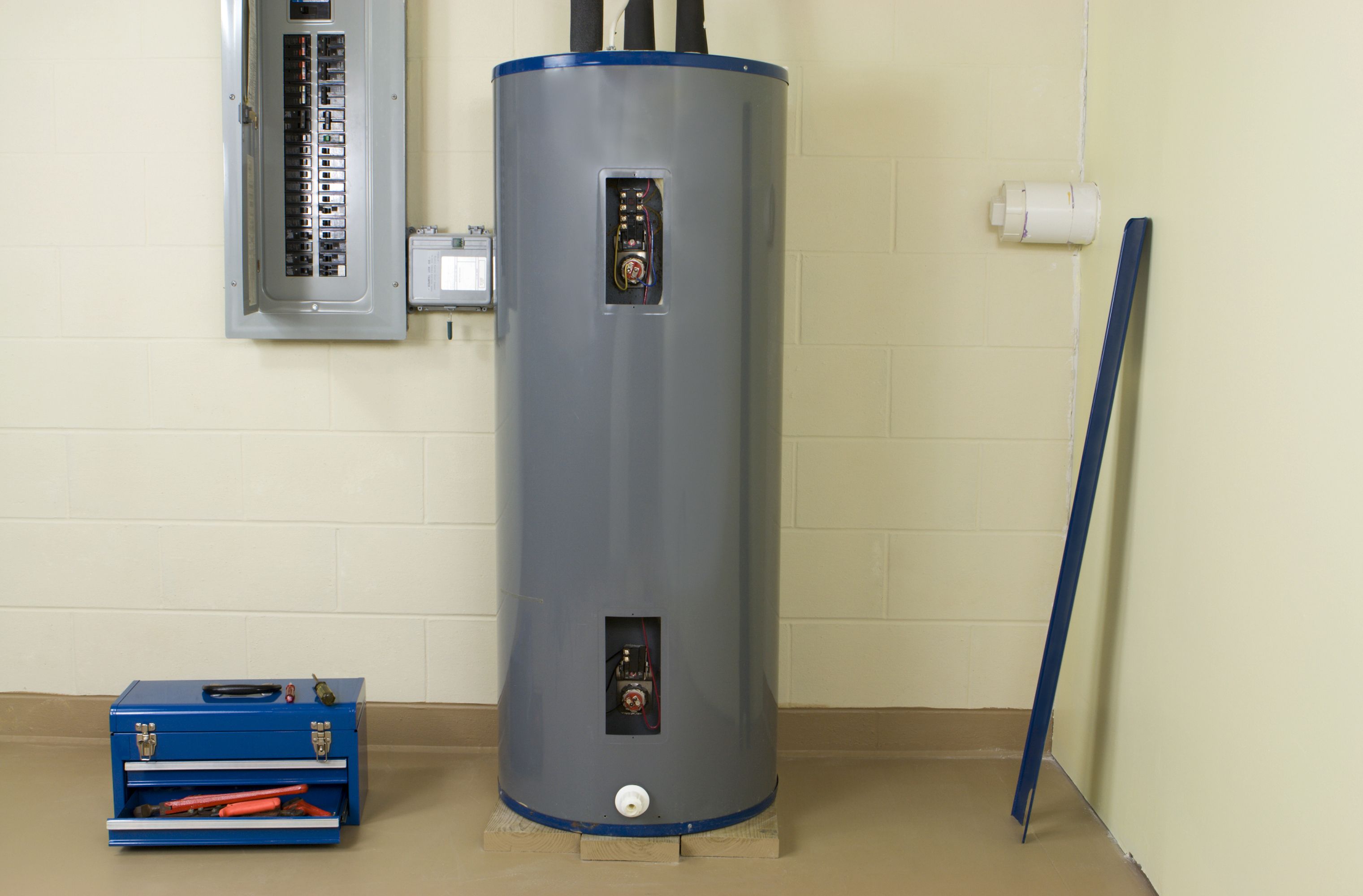
Do you really like reading about Early Signs of Water Heater Failure? Try to leave a remark down below. We would be glad to listen to your insights about this blog entry. In hopes that you visit us again in the future. Do you know another individual who is occupied with the topic? Do not hesitate to promote it. Thanks a bunch for your time. Don't hesitate to pay a visit to our website back soon.
Quality assured, call!